




Tebogo G Mashego: From Biri Marung Breakthrough to Betrayal, Breakdown, and Arrest
-

- September 24, 2025
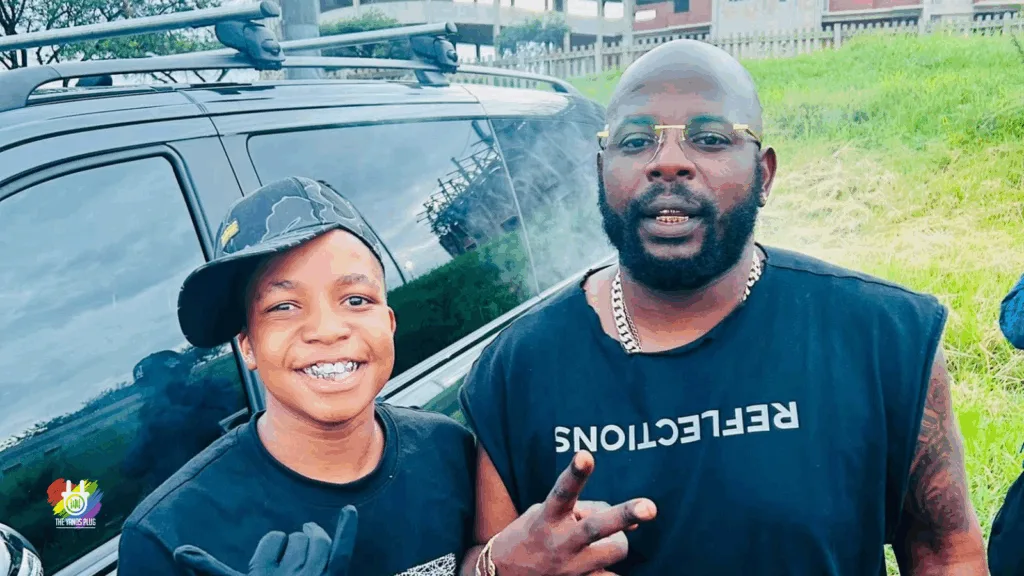
South Africa’s amapiano scene has birthed some of the most exciting young talents in recent years, with Biri Marung hitmaker Tebogo G Mashego quickly rising as one of its brightest stars. But his recent ordeal in Nigeria has sparked heated conversations about artist exploitation, royalties, and the brutal realities of navigating fame in the music industry.
At just 23, Tebogo, widely known as G Mashego, went from viral TikTok content creator to amapiano sensation, capturing audiences with his energy, style, and raw talent. His life, however, has now become a cautionary tale about what happens when stardom collides with the darker side of the music business.
Stranded in Nigeria: The Breakdown That Went Viral
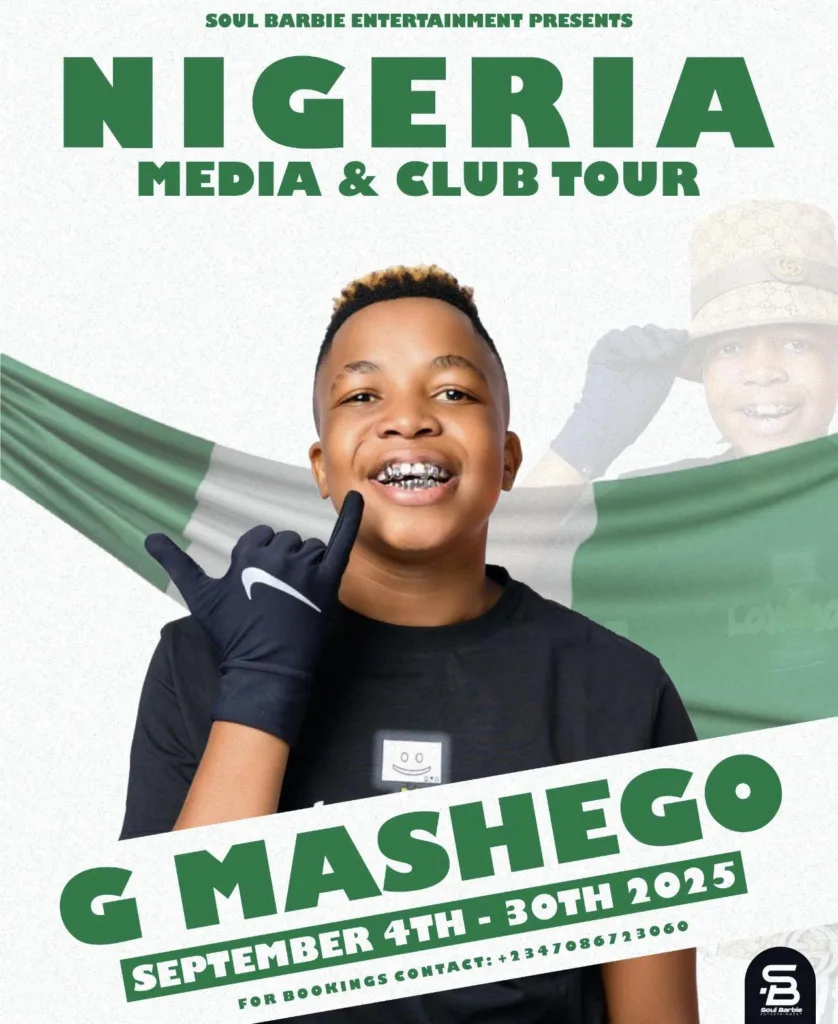
From the 19th of September 2025, videos began circulating on social media of a distressed Mashego, stranded in Nigeria after what was supposed to be a paid performance deal. The young star revealed that the gig had fallen apart, leaving him broke and without a return ticket home.
In a tearful live session, he lashed out:
“F*** Sony and f*** Phori,”
directly naming DJ Maphorisa and Sony Music as part of his frustrations. He accused the Scorpion Kings (Maphorisa and Kabza De Small) of making R64 million from an event featuring his hit Biri Marung while leaving him unpaid. His demand? A staggering R23 million in royalties.
Fans flooded his livestream with support, while hashtags like #PayTebogo and #BiriMarungRoyalties quickly trended. But beyond the memes and outrage, the desperation in his voice highlighted a deeper issue: how could the artist behind one of 2024’s biggest amapiano anthems be stranded abroad without enough money for a flight home?

The Breakthrough of Biri Marung: Royalty Wars
If TikTok gave him wings, Biri Marung gave him an empire, or so it seemed. Released in 2024 under Sony Music, the amapiano anthem featured some of the genre’s most influential names: DJ Maphorisa, Focalistic, Scotts Maphuma, Sje Konka, and CowBoii. With a lineup that powerful, success was almost guaranteed, but the song did more than succeed; it dominated. From township taverns to international music festivals, from TikTok challenges to mainstream radio, Biri Marung became an unstoppable cultural wave.
For Tebogo, this was supposed to be the moment of fulfilment. The kid from Mpumalanga had finally arrived. His name was on everyone’s lips, his face on screens across the country. But while fans assumed the money would follow the fame, the reality behind the scenes was far more complicated.
G Mashego now claims he has seen nothing from the song’s commercial success. His allegations, that the Scorpion Kings profited heavily from events without cutting him in, echo longstanding grievances in South Africa’s music industry.
This dispute is far from isolated. Several artists, including Samthing Soweto in the past, have accused industry heavyweights, like DJ Maphorisa, of unfair contracts and exploitation. In amapiano, where collaborations are common, the lines between contribution, ownership, and payment often blur, leaving emerging artists vulnerable.
Please Also Read: DJ Maphorisa Defends Decision to Exclude Samthing Soweto

Young Stunna Defends Maphorisa
Not everyone supported Mashego’s tirade. Amapiano star Young Stunna publicly defended DJ Maphorisa, urging young artists to show respect to industry veterans.
“These people are older and that doesn’t give anyone the right to disrespect them. They saved a lot of lives, more than the government did.”
He added:
“If you want to say f*** him, start with us too. I’m a Scorpion Prince. These are the people who put food on my table, who make sure I’m always protected, who keep my mental stable.”
As reported by The Citizen
Please Also Read: Djy Jaivane Accuses Young Stunna of Owing Him for Adiwele
Stunna’s defense sparked mixed reactions. Some praised his loyalty, while others accused him of enabling exploitation by silencing a younger artist’s grievances.
DJ Karri Steps In
Amid the chaos, Pretoria-based DJ and producer DJ Karri emerged as Mashego’s unlikely saviour. He confirmed on social media that he had booked Tebogo’s flight, writing:
“Finally my boy got a flight ticket back home; he’s leaving Nigeria today at 13:25.”
The act of solidarity was widely praised. For many fans, it underscored the power of community within the amapiano movement, even as questions about exploitation loomed larger.
Yet upon his return to South Africa on 21 September 2025, Mashego complicated matters by accusing Karri of using the situation for publicity. “He’s fake,” Mashego said, pointing to cameras at the airport as evidence Karri wanted clout.
The drama thickened, but so too did the conversation around the exploitation of young artists.

A Bigger Question About Exploitation
What Tebogo’s meltdown laid bare was more than just a personal grievance; it exposed deep structural issues in the South African music industry. Why do artists with viral hits often end up broke? Why are publishing rights, masters, and royalty splits so often hidden in fine print that favours established powerhouses? And why is there still no safety net for emerging talent who find themselves vulnerable to exploitation?
Tebogo’s pain, as public and messy as it was, forced uncomfortable conversations into the spotlight. His story became a cautionary tale for every young artist dreaming of amapiano stardom.
Please Also Read: Samthing Soweto Speaks Out
The Arrest That Changed Everything
Just when it seemed the drama had reached its peak, a new bombshell dropped: Tebogo G Mashego was arrested. The news spread quickly across social media platforms. Details remain scarce, with no official police statements confirming the charges, but the timing could not have been more dramatic.
Speculation swirled instantly. Was the arrest connected to his explosive accusations against Sony and Maphorisa? Was it linked to potential defamation suits? Or was it the result of something else entirely, a private matter that had nothing to do with his public feud? Without clear information, the internet filled the void with theories. Regardless of the cause, the arrest cemented Tebogo’s saga as one of the most dramatic falls from grace in amapiano’s short history.
Lessons From the Chaos
Tebogo G Mashego’s rise, collapse, and arrest offer lessons that extend far beyond the gossip columns. They highlight the dangers of entering the music industry without a firm grasp of legal and financial rights. They expose the fragility of fame built on virality without infrastructure. They remind us that while authenticity and vulnerability may win hearts on social media, they can also leave artists exposed to legal and reputational backlash.
His story is not just his own; it is the story of many young musicians in South Africa who are chewed up and spat out by an industry that thrives on their creativity but rarely protects them. For every amapiano anthem that lights up the dance floor, there is often a broken promise, a questionable contract, or an unpaid royalty lurking in the shadows.
Bigger Questions About the Music Industry
Through all this noise, one thing became clear: Tebogo’s story wasn’t just gossip. It highlighted deep-rooted issues in South Africa’s music industry.
– How can an artist with one of the biggest hits of the year be stranded abroad without a flight home?
– Why do contracts leave so many without ownership of their masters or publishing rights?
– Why is transparency still elusive in an industry generating millions?
His fight symbolised the tension between respect for pioneers and accountability for how they treat newcomers.
What will unfold?
We do not think Tebogo’s saga is over. Whether his claims of unpaid royalties hold water in the courts or whether his arrest proves to be a temporary setback, his journey has already carved out a permanent place in the history of amapiano. He is both a victim and a provocateur, a symbol of raw talent and of the dangers of navigating fame without a safety net.
Culture Plug: BIRI MARUNG LYRICS
If there is one takeaway from his rise and fall, it is this: talent without protection is a recipe for exploitation. Until artists learn to own not just their sound but their business, stories like Tebogo G Mashego’s will continue to repeat themselves, one viral hit at a time.


