


Freedom Day in Sound: How South African Music Became the Voice of Liberation
-

- April 27, 2026

Every year on the 27th of April, Freedom Day reminds South Africans of a historic turning point, the birth of democracy and the right for every voice to be heard.
But beyond the ballots and political milestones, there has always been another, equally powerful form of expression shaping that freedom: Music.
Before Freedom Was Legal, It Was Sung
Long before 1994, during the era of Apartheid, music was more than entertainment; it was resistance.
Artists used melody and rhythm to challenge injustice, mobilise communities, and keep hope alive. Songs carried messages that couldn’t always be spoken openly.
Voices like Miriam Makeba and Hugh Masekela turned global stages into platforms for truth. Their music didn’t just travel; it told the world what South Africa was going through.
Freedom, at that time, was not lived; it was imagined, demanded, and sung into existence.
READ: FREEDOM DAY DAY IN CONTEXT
The Sound of a New South Africa
When democracy arrived, music evolved with it.
Genres like Kwaito emerged from the streets, raw, unapologetic, and reflective of a new generation finding its identity in a free country. It wasn’t polished. It wasn’t trying to impress the world. It was real.
Kwaito became the soundtrack of youth who were no longer fighting for political freedom, but for cultural expression, economic opportunity, and space to exist on their own terms.
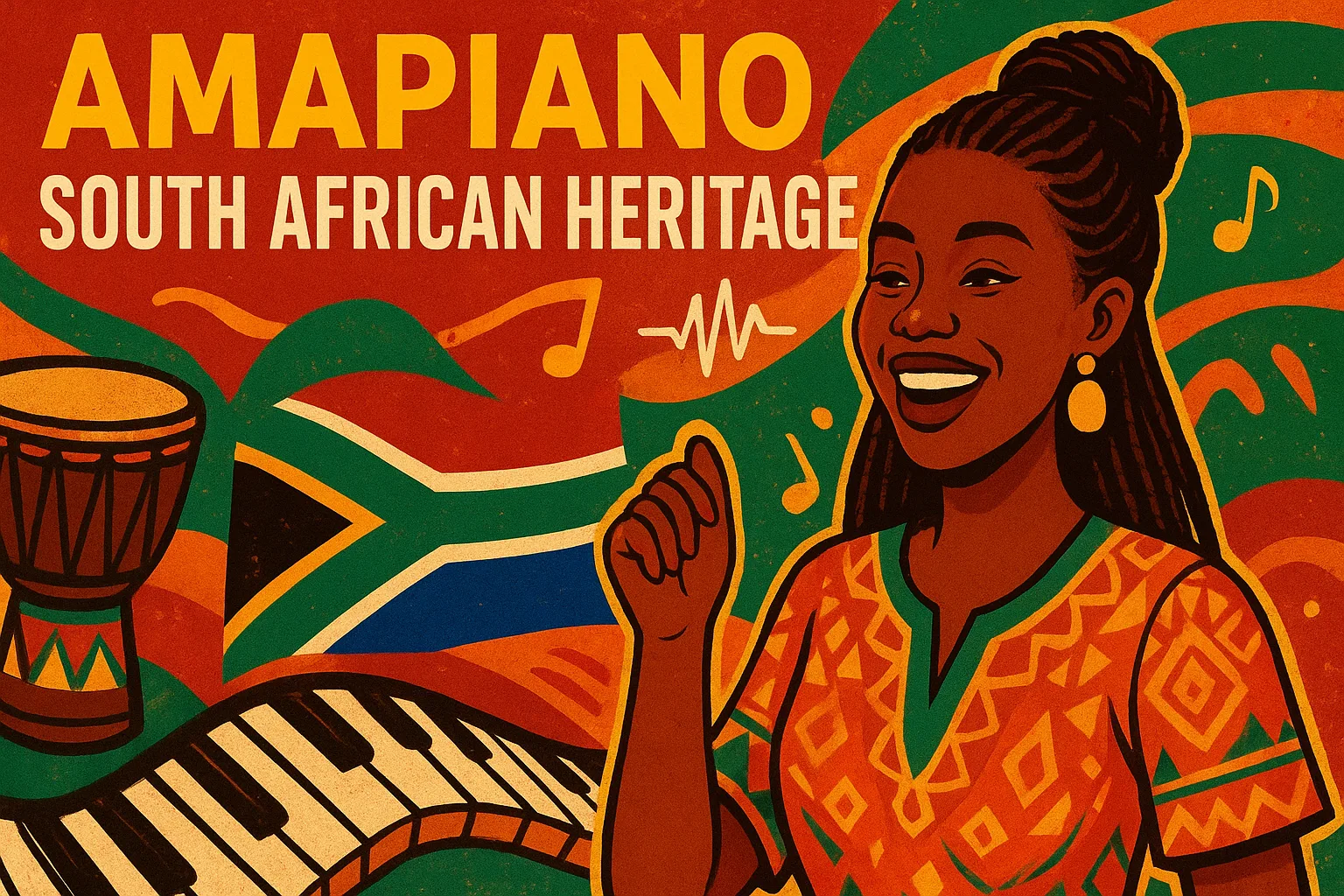
Fast forward to today, and a new sound defines the current generation: Amapiano.
Born in the townships of Gauteng, particularly in places like Soweto and Alexandra, Amapiano didn’t come from corporate studios or global influence. It is a genre shaped by everyday South Africans, a blend of kwaito, house, jazz, log drums, and township rhythm.
Read: Amapiano Heritage: How Our Sound Became the Heartbeat of the Nation
And in many ways, Amapiano represents a new kind of freedom: Creative freedom. Artists are no longer waiting for permission. They are creating, releasing, and building audiences on their own terms.
South African Music as Ongoing Liberation
From protest songs to Kwaito, from house to Amapiano, South Africa’s musical journey tells a deeper story.
Freedom is not a destination.
It is a process.
And music has been there at every stage:
– Fighting for it
– Celebrating it
– Redefining it
Freedom Day is about remembering where we come from. But music reminds us of where we’re going. And if the current sound is anything to go by, the future of South African music is not just free, it’s fearless.