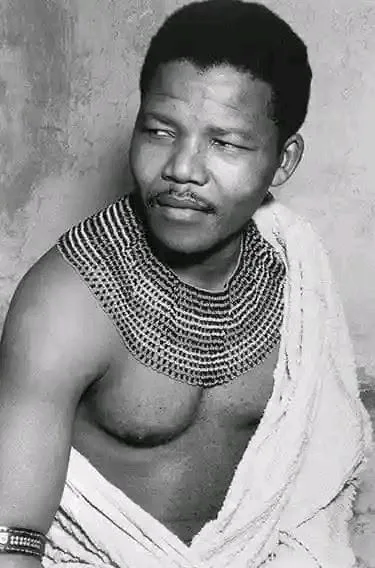



Nelson Mandela Didn’t Create Amapiano, But He Built the Freedom For It to Flourish
-

- July 18, 2026
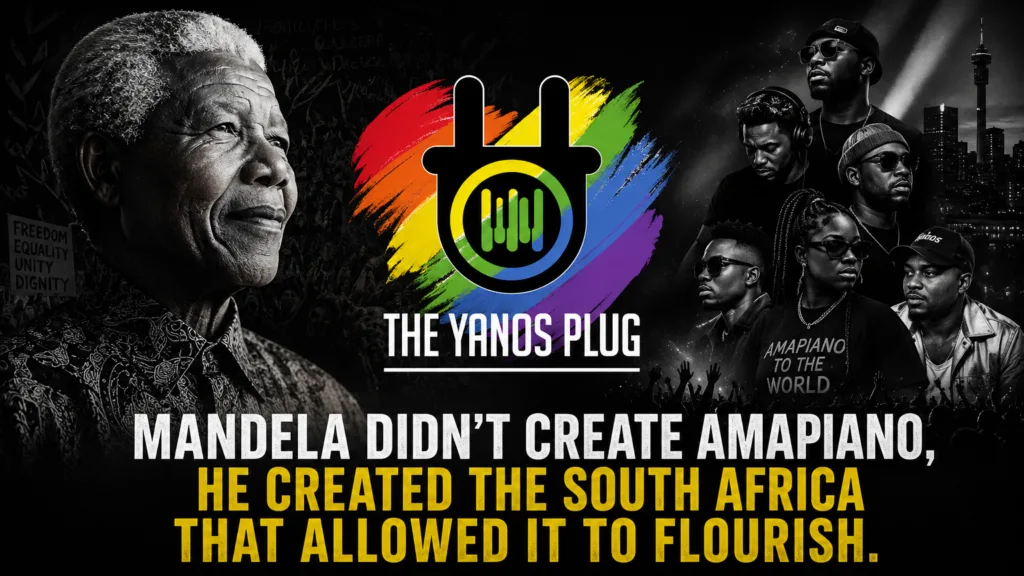
On Mandela Day, South Africans are encouraged to dedicate 67 minutes to serving others in honour of Nelson Mandela’s 67 years of public service. While volunteering remains central to the day, Mandela’s legacy also invites us to reflect on something less tangible but equally significant: the freedoms that continue to shape our society.
One of those freedoms can be heard every day, not in Parliament or courtrooms, but through speakers in taxis, clubs, festivals and stadiums around the world.
It’s called Amapiano.
Nelson Mandela did not invent Amapiano. He never heard the log drum become the heartbeat of a generation. But the democratic South Africa he helped build created the conditions for young creatives to dream freely, express themselves boldly and introduce an entirely South African sound to the global stage.
Freedom Created More Than Democracy, It Created Creative Possibility
When South Africa became a democracy in 1994, the country’s future was no longer defined solely by politics. It became a place where culture, creativity and entrepreneurship could flourish.
Mandela consistently championed reconciliation, human dignity and nation-building, principles that have become part of South Africa’s identity. Today, that identity is increasingly expressed through music, fashion, art and film. UNESCO recently recognised the international significance of Mandela’s legacy by inscribing the Human Rights, Liberation and Reconciliation: Nelson Mandela Legacy Sites on the World Heritage List, highlighting reconciliation and ubuntu as enduring foundations of South Africa’s nation-building.
Music has become one of the country’s most powerful storytellers.
Whether it’s sung in isiZulu, Sesotho, Setswana, isiXhosa or English, South African music reflects the country’s diversity, resilience and ability to unite people across cultures.
SOUTH AFRICA’S YOUNG TALENT UNITE TO CELEBRATE 30 YEARS OF DEMOCRACY WITH A NEW ANTHEM TITLED ‘FREEDOM’
Freedom Comes With Responsibility
Freedom of expression also demands responsibility.
Mandela often reminded South Africans that freedom was never merely about individual rights, it was about building a society where everyone could thrive.
The same principle applies to music.
As Amapiano continues to dominate playlists worldwide, artists also influence attitudes, aspirations and behaviour.
The challenge for today’s musicians is not simply to make hits.
It is to leave a legacy.
That means:
– mentoring emerging talent
– investing in communities
– protecting artistic integrity
– creating sustainable businesses
– using influence responsibly
History remembers artists not only for chart success but for the impact they leave behind.
Mandela’s Greatest Gift Was Possibility
Perhaps Mandela’s greatest contribution was not that he created artists. It was that he helped create a South Africa where artists could create without fear.
Where young people could imagine careers that had never existed before. Where music could become both cultural expression and economic opportunity. Where a genre born in Gauteng could eventually fill arenas in London, New York, Paris and Lagos.
That possibility is part of his legacy.
Happy Mandela Day
On this Mandela Day, as South Africans dedicate 67 minutes to service, perhaps we should also celebrate the quieter ways his legacy continues to shape our lives.
Every time an Amapiano song introduces someone to South Africa…
Every time a local artist headlines an international festival…
Every time a young producer turns a bedroom studio into a global career…
We are witnessing the continued evolution of the freedom that Mandela and countless others fought to secure.
Mandela didn’t create Amapiano.
He helped create the South Africa that allowed it to flourish.