




TYLA AND THE TRUE COST OF GOING GLOBAL
-

- June 15, 2026
Success is a funny thing.
The moment the world starts celebrating you is often the same moment the criticism becomes louder than the applause. One minute you’re the hometown hero everyone is rooting for; the next, you’re a global star navigating cultures, expectations, and opinions that stretch far beyond your own borders.
Few South African artists understand this better than Tyla.
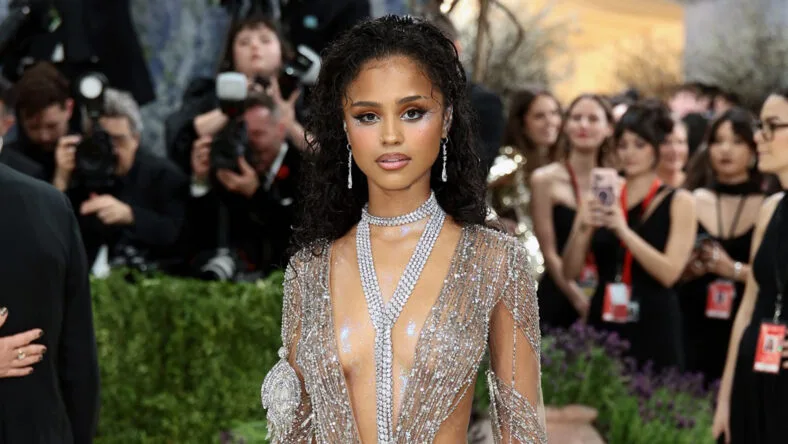
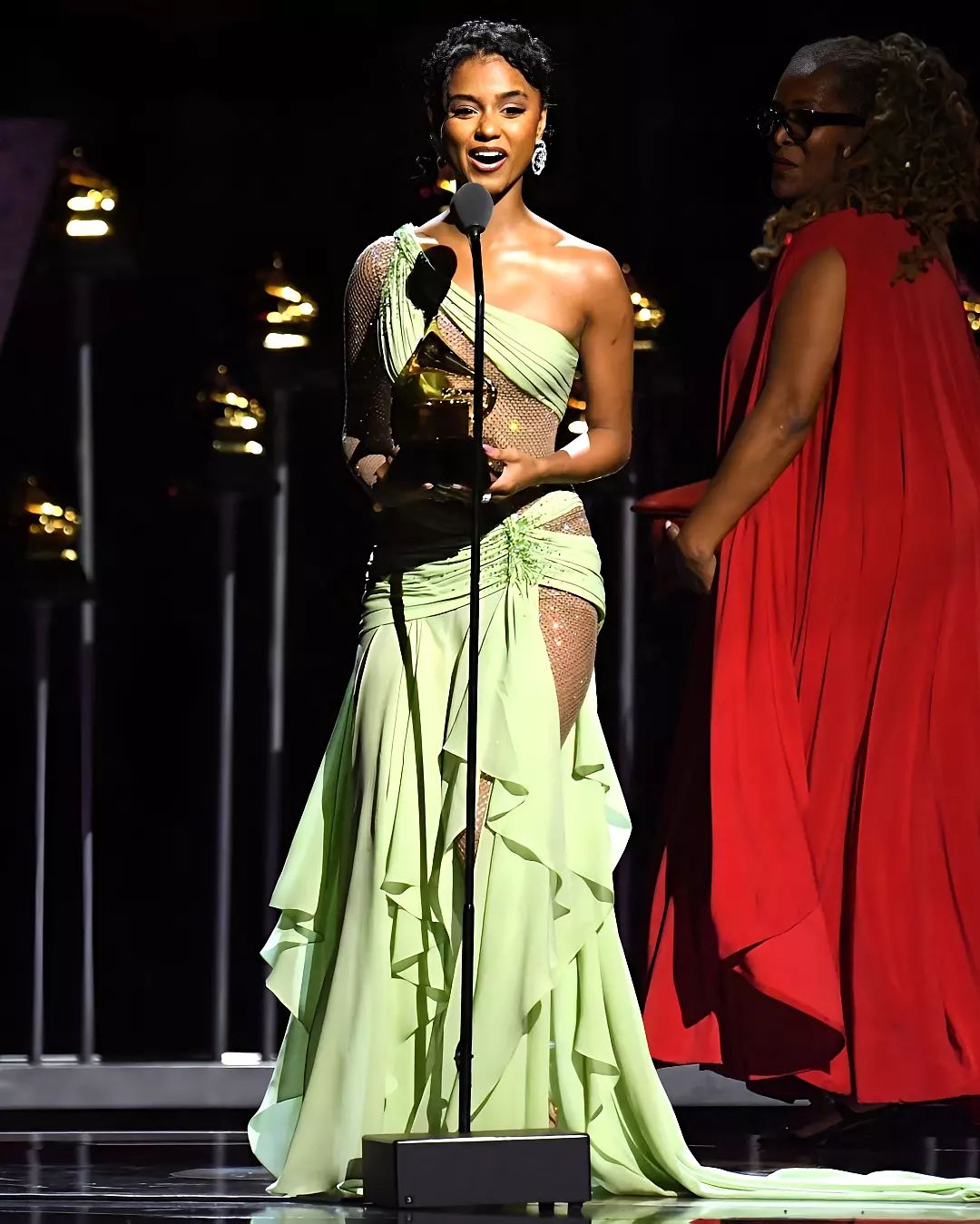
In just a few years, the South African artist has transformed from a promising local talent into one of Africa’s most recognisable global music exports. Her Grammy Award-winning smash hit Water catapulted her onto international stages, fashion runways, and award shows, introducing millions of people to a distinctly South African sound and aesthetic.
Yet with unprecedented success has come unprecedented scrutiny.
When Culture Gets Lost in Translation
One of the biggest controversies surrounding Tyla had little to do with music.
Instead, it centered on identity.
When Tyla described herself as a Coloured woman, many Americans reacted with confusion and outrage. In the United States, the term “colored” carries painful historical associations linked to segregation and racism.
In South Africa, however, Coloured is a recognised cultural and ethnic identity with its own history, traditions and heritage.
What many South Africans understood instinctively became a global culture war online. Some critics accused Tyla of denying her Blackness, while South Africans defended her right to define herself according to her own country’s history.
The debate became a reminder that global fame often requires artists to explain identities that local audiences already understand.
The Burden of Becoming Africa’s Face
Another challenge facing Tyla is one experienced by many African artists who break into Western markets.
Suddenly, they are expected to represent an entire continent.
Award shows frequently classify African artists under a single “Afrobeats” category, despite the continent producing dozens of unique genres. Tyla has repeatedly described her music as rooted in Amapiano – a sound now achieving global recognition – and South African pop influences, yet international institutions often group her alongside artists from entirely different musical traditions.
For many fans, this creates frustration.
For Tyla, it creates pressure. She finds herself carrying the responsibility of representing South African music while simultaneously educating international audiences about its diversity.
There is another reality that accompanies rapid success. People begin questioning whether it was earned. Tyla’s meteoric rise, from viral sensation to Grammy winner and international brand ambassador, has prompted accusations from some corners of the internet that she is an “industry plant.”
The term has become increasingly common in modern music culture, often aimed at artists who rise quickly through major label backing and global marketing campaigns.
Whether fair or not, such narratives reveal an uncomfortable truth about fame: extraordinary success often attracts extraordinary skepticism.
The higher you climb, the more people question how you got there.
Amapiano’s Next Global Generation Should Pay Attention
South Africa’s music industry is producing stars at an unprecedented rate. Artists such as Kabza De Small, DJ Maphorisa, Uncle Waffles, Tyler ICU, and dozens of others are taking Amapiano’s global rise, reaching audiences that barely knew the genre existed five years ago.
Global success, however, comes with global scrutiny. International audiences will not always understand South African culture, language, or history. Local humour may be misunderstood. Cultural identities may be questioned. Awards categories may oversimplify uniquely South African sounds. Artists entering global markets will increasingly find themselves acting not only as musicians but also as cultural ambassadors. Preparation for that reality is just as important as preparing for the stage.
Today’s artists are not judged solely by their music. They are judged by fifteen-second clips, screenshots, and viral tweets.
Minor interactions can become international headlines within hours, often stripped of context and amplified by algorithms that reward outrage over nuance. Tyla has repeatedly found herself at the centre of online debates driven more by perception than reality. For young artists watching from South Africa, this is perhaps one of the biggest lessons of the digital age: talent alone is no longer enough. Managing public perception has become part of the job.
The Bigger Picture
Despite the criticism that dominates social media headlines, Tyla’s trajectory tells a different story.
She continues to break records, headline international festivals, collaborate with global artists, and represent South Africa on some of the world’s biggest stages.
The noise online often represents a vocal minority rather than the broader public. For every critic questioning her success, millions continue streaming her music and celebrating her achievements.
Perhaps the greatest lesson for South Africa’s next generation of artists is this: when your dreams become global, so do your challenges.
Fame is no longer just about making hit songs. It is about navigating identity, culture, misunderstanding, and expectation while remaining authentic to who you are.
And if Tyla’s journey has shown us anything, it is that carrying South Africa onto the world stage is both an incredible privilege and an enormous responsibility.


