


HOW LOCAL EVENTS CONTINUE TO SHAPE SOUTH AFRICA’S BIGGEST MUSIC GENRE, AMAPIANO.
-

- June 15, 2026
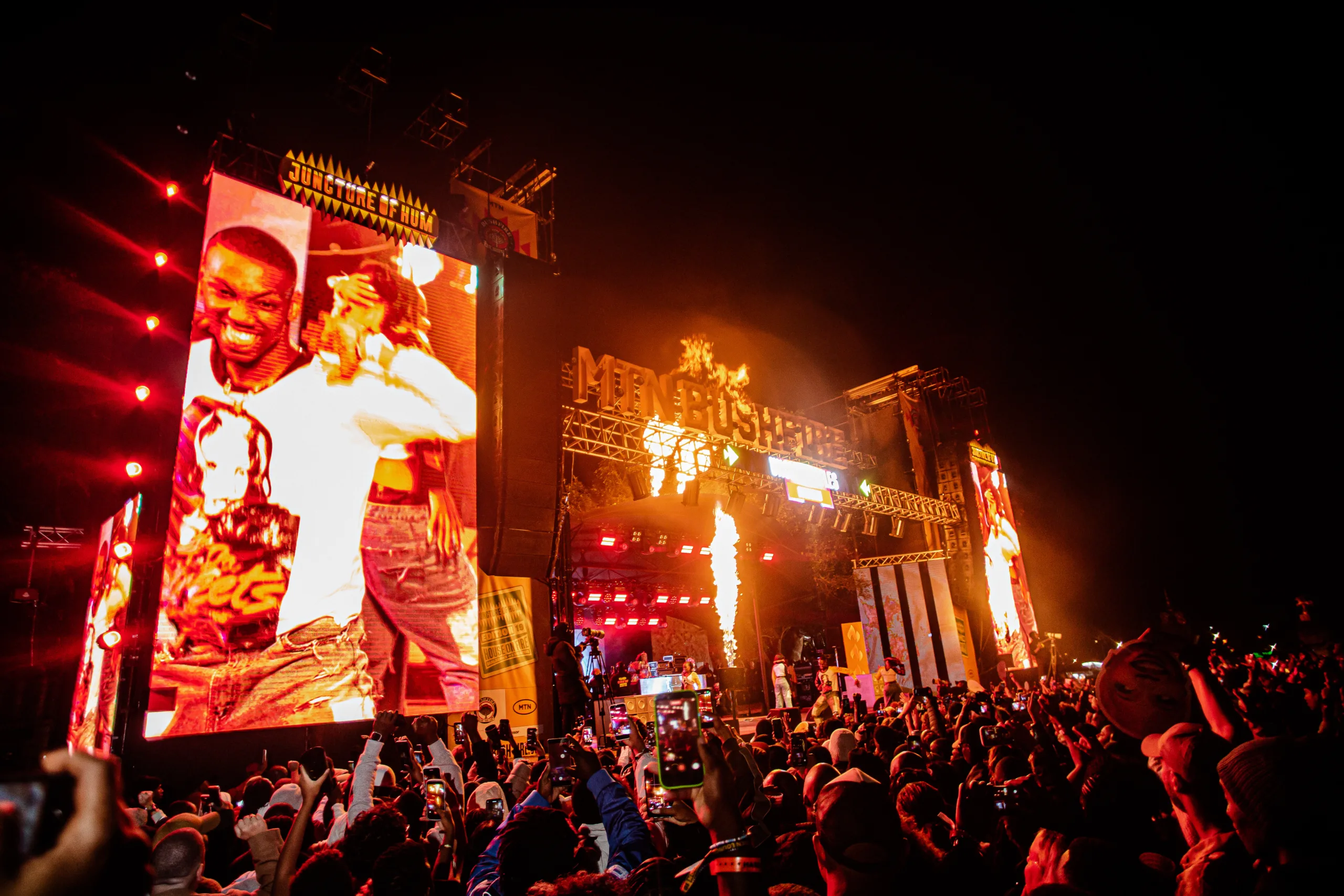
On any given weekend in South Africa, thousands of young people gather at car washes in Vosloorus, lifestyle venues in Soweto, taverns in Mamelodi, and street festivals across the country. The music is familiar; the unmistakable log drums of Amapiano echo through the speakers as local DJs test unreleased tracks and aspiring artists fight for their moment behind the decks.
While international audiences may associate Amapiano with sold-out arenas, viral dance challenges, and global stars such as Kabza De Small, DJ Maphorisa, Uncle Waffles, and Kelvin Momo, the genre’s real story continues to be written in South Africa’s townships.
Long before Amapiano dominated streaming platforms and international festival lineups, it belonged to the kasi. It was nurtured in township streets, community halls, local taverns, backyard gatherings, and car wash sessions where music lovers gathered not because it was fashionable but because it reflected their lived experiences.
Today, as the genre enjoys unprecedented global success, many industry observers believe its heartbeat still lies in the communities that gave it life.
The Township as Amapiano’s First Stage
Every successful music genre has its testing ground, and for Amapiano, that stage has always been the township.
Before songs become chart-toppers or TikTok sensations, they often debut before township audiences. DJs regularly test new productions at local events, carefully observing crowd reactions before deciding whether a track is ready for wider release.
Unlike major commercial festivals where audiences arrive expecting polished performances, township crowds are often regarded as some of the most honest and influential tastemakers in the country. If a song fails to move a township audience, it is unlikely to survive elsewhere.
This direct relationship between artists and audiences has played a significant role in shaping Amapiano’s distinctive sound. The genre evolved through community feedback, dance culture, and a constant exchange between producers, DJs, and listeners.
The Festivals Keeping Kasi Culture Alive
Across Gauteng and beyond, township events continue to serve as important cultural and economic hubs.
One example is the annual Makhelwane Festival in Soweto, which celebrates music, culture, entrepreneurship, food, and community development. The festival has become a platform where established artists share stages with emerging talent while local businesses gain exposure to thousands of attendees.
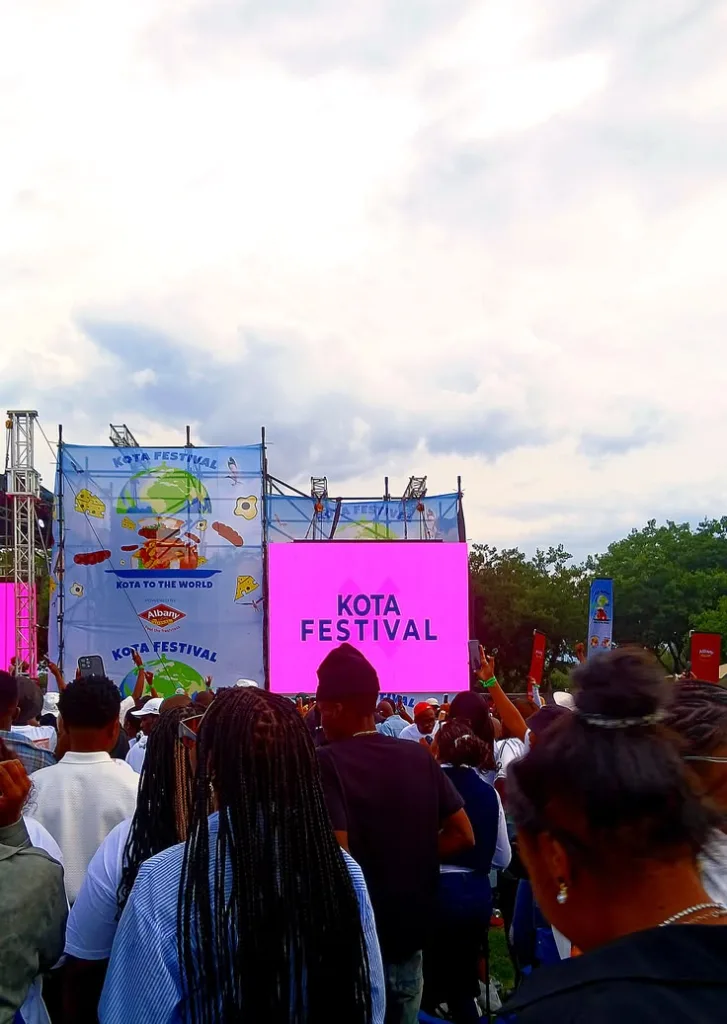
Another significant event is the Soweto Kota Festival, which combines food, music, entrepreneurship, and lifestyle experiences. While famous for celebrating one of South Africa’s favourite township foods, the festival has also become an important gathering point for local entertainers, vendors, DJs, and entrepreneurs.
Beyond large-scale festivals, smaller weekly and monthly gatherings continue to sustain the culture. From Sunday sessions at local lifestyle venues to car wash events and community street bashes, these gatherings create spaces where music, business, and community intersect.
Many of these events operate with limited budgets, yet their impact often extends far beyond entertainment.
KOTA FESTIVAL TOUR RETURNS BIGGER AND BETTER WITH GROUNDBREAKING PARTNERSHIP AND NATIONWIDE EXPANSION
Challenges Facing Local Events
Despite their importance, township events continue to face significant challenges.
Rising operational costs, venue regulations, safety requirements, sponsorship shortages, and infrastructure limitations often make it difficult for grassroots organisers to sustain events over the long term.
Many promoters operate with limited financial resources while competing against larger commercial entertainment brands. Access to sponsorship remains a particular challenge, even though township events often attract highly engaged audiences.
There is also an ongoing need to improve event safety, crowd management, and professionalisation without losing the authenticity that makes township culture unique.
Balancing growth and authenticity remains one of the sector’s biggest challenges.
The Future Is Global, but the Foundation Is Local
Today, Amapiano stands as one of South Africa’s most successful cultural exports.
Its influence can be heard in clubs from London to Lagos, from New York to Nairobi. Yet behind every sold-out show, every viral dance challenge, and every international collaboration lies a story that began much closer to home.
It began in township streets.
It began in local venues.
It began in communities that believed in the music long before the rest of the world was listening.
As South Africa continues to celebrate the remarkable rise of Amapiano, equal recognition should be given to the township events, promoters, vendors, DJs, and audiences who continue to shape its future.
Because before the mainstream embraced Amapiano, the kasi had already made its decision.